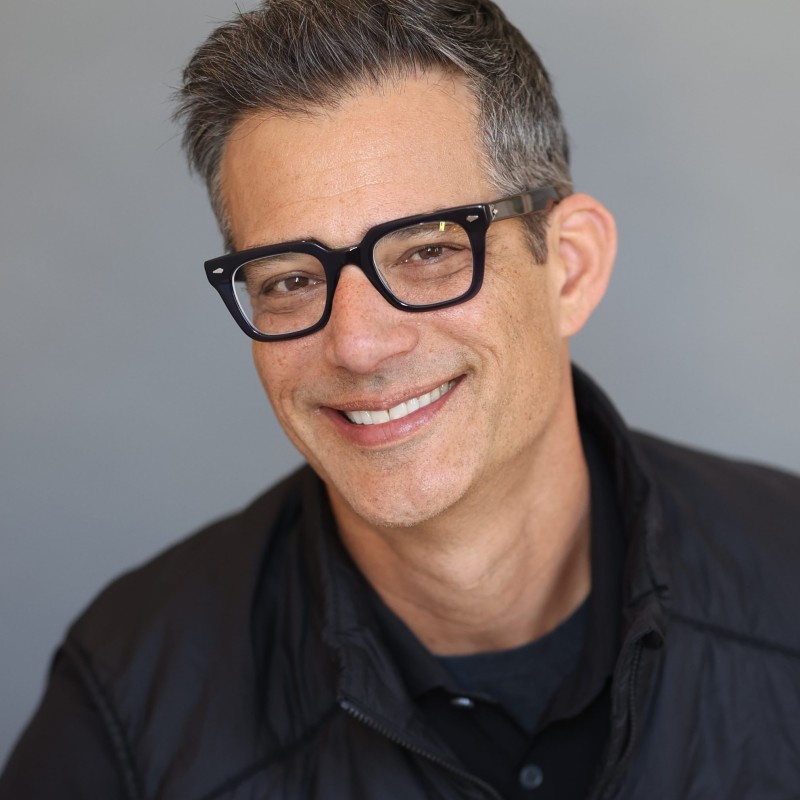
In this episode of Dream Job Cafe, we’re looking at a career that is truly impervious to the rise of the robots. I’m joined by Ally Middleton, founder of Lifelong Massage, to discuss why a society that is increasingly “undertouched” needs human connection more than ever—and how a trade-based career can lead to both personal fulfillment and business success.

Ally Middleton’s career journey proves that sometimes the best job isn’t the one you planned for in high school. Ally originally trained to be an opera singer. But when the reality of “singing for her supper” met the need to pay her bills, a tour of a local massage school changed her perspective. She realized she could use her natural empathy and a built-in network of musical performers to build a stable, prosperous business.
Now, sixteen years later, Ally is the co-owner of Lifelong Massage, where she has traded the high notes for high-impact soft tissue work. Her business isn’t just about “chilling on the table”; it’s about rehab, postponing surgeries, and optimizing the nervous systems of professional athletes and chronic pain sufferers.
Massage therapy education isn’t just about learning how to rub shoulders. It’s an intensive curriculum that varies by state, typically requiring 600 hours of study over nine months to a year.
Anatomy and Kinesiology: You don’t just need to know where the muscles are; you have to understand how they move the skeleton and how they interact with the nervous system.
Pathology: This is the “safety first” component. Therapists must understand a laundry list of medical conditions and medications to ensure they aren’t causing harm to people with fragile skin integrity or compromised health.
Body Mechanics: To avoid burning out, therapists must learn how to use their own core and leg strength rather than just their hands. “If you look like a turtle with a rounded back, you’re going home hurting,” Ally notes.
One of the most valuable insights from Ally’s experience is the power of the “medical massage” certification. This additional 50-hour credential allows therapists to move from the spa world into actual healthcare. By learning orthopedic tests and how to document goals and progress, therapists at Lifelong Massage can work with chiropractors, plastic surgeons, and sports medicine experts.
Specializations like Manual Lymphatic Drainage are a prime example. This work is crucial for cancer survivors who have had lymph nodes removed or burn victims with thick scar tissue. It’s highly specialized, high-demand work that serves a growing population of older adults—specifically the 55 to 65-year-old demographic with disposable income and complex health needs.
Massage therapy is a trade where if there is “nobody on the table, you don’t get paid.” However, for those who value autonomy, it’s a gold mine.
The Family Dinner Test: Ally rates this a 10/10. Even though she works several evenings a week to accommodate her clients’ schedules, she’s built a “breakfast household” where her family eats together every morning.
The “Disney/Vacation” Test: While you don’t have corporate “paid time off,” smart planning allows for a comfortable lifestyle. Ally’s family takes two 10-day Airbnb vacations a year. The key is “optimizing the book”—clustering appointments to make the most of your time in the office.
Relationship Building: Unlike a 15-minute visit with a primary care physician, a massage therapist often spends 30 to 90 minutes with a client. This creates a level of trust and long-term relationship building that makes the work deeply rewarding.
In a post-COVID society, we are “hardwired to need physical contact,” yet we are living in an “under-touched” era. Ally emphasizes that people are increasingly looking for integrative methods to improve their mental and physical health. The “instant gratification” of helping a client achieve a pain-free range of motion is a feeling no AI can replicate.
Lifelong Massage is a premier therapeutic practice focused on soft tissue work and clinical outcomes. By specializing in medical massage and injury rehab, Ally Middleton and her team provide a collaborative healthcare experience that focuses on improving quality of life and helping clients reach their long-term health goals.
Ready to navigate your career in a crazy world? Listen to the full episode or explore your potential at Wayspark.co. Be sure to visit Legal Broadcasting Company often for our latest podcasts.
This article was written by Legal Broadcasting Company, and is based on the episode of Dream Job Cafe hosted by Larry Port.
A: It can be, but Ally stresses that proper body mechanics are essential. A full-time therapist usually sees 20 to 22 clients a week, allowing for recovery time and ensuring the quality of care remains high.
A: Absolutely. One of the greatest perks is the ability to work as an independent contractor or to set specific hours that fit around other commitments, like school or family.
A: You have to be a “people person.” If you don’t enjoy making small talk at the grocery store or can’t handle “word vomit” from clients sharing their life stresses on the table, this path will likely lead to burnout.