Dr. Nina Crowley, Director of Clinical Thought Leadership at Seca, joins the show to discuss how she carved out a unique niche at the intersection of nutrition and health psychology. Following Larry’s insights on the booming healthcare labor market, Nina shares how specialized credentials and “Big Conference Energy” can propel a clinician into industry leadership.
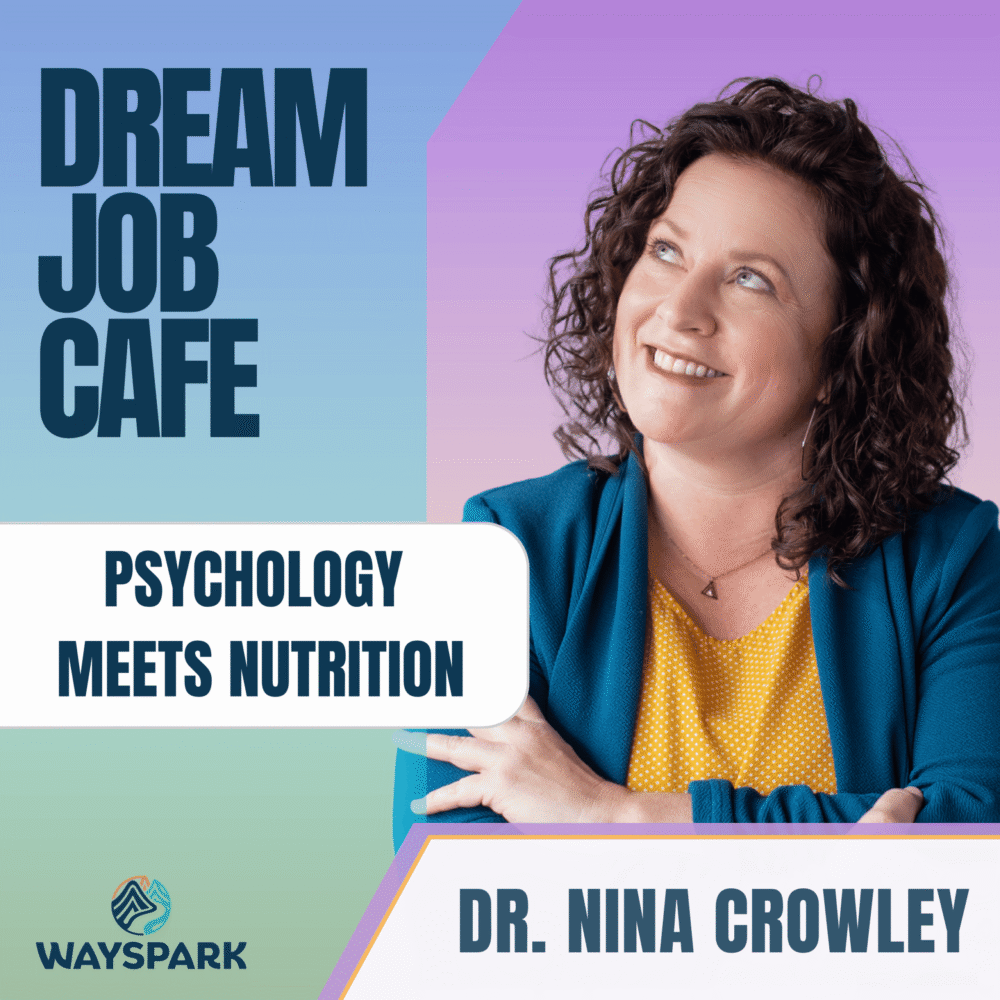
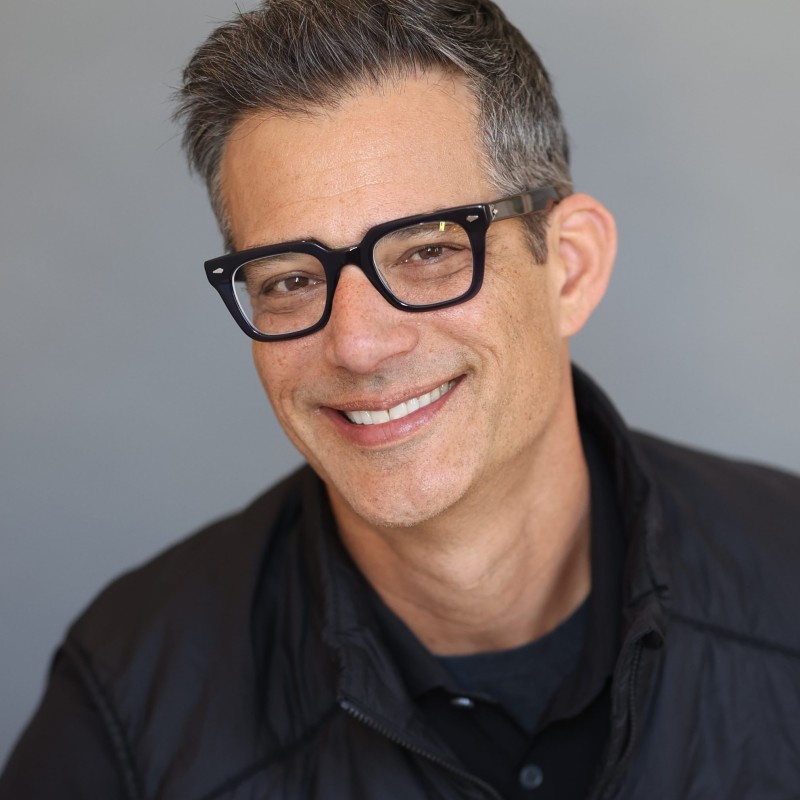
The healthcare sector remains the primary force behind consistent labor growth, offering a vast array of roles beyond traditional surgery or nursing. Dr. Nina Crowley exemplifies this variety, combining her background as a Registered Dietitian (RD) and a PhD in Health Psychology to influence the obesity care landscape.
By moving away from the limited metrics of weight and BMI, her work focuses on the science of body composition—measuring muscle, fat, and bone to provide a clearer picture of patient health. This transition from outpatient bariatric clinics to industry thought leadership at Seca highlights the power of finding a specialized niche within a broad field.
The path to becoming a credentialed healthcare professional involves rigorous academic training, including the 1,200-hour supervised practice required for dietitians. This conversation explores the “Big Conference Energy” required to build a professional network and the psychological complexities of behavior change. For those curious about the financial realities of the field, we also apply the “Disney World” test to evaluate the lifestyle of a modern dietitian and psychologist.
What We Cover:
Larry Port (00:00):
Dream job or nightmare? It’s hard to know if a career that looks great on paper will actually lead you to the life you want to live. So welcome to Dream Job
Larry Port (00:08):
Cafe. I’m Larry Port. I’ll be asking different professionals the questions you won’t find anywhere else. So grab a coffee, settle in. This is Dream Job Cafe. Sponsored by Wastepark.co, where we help people navigate careers in a crazy world.
Larry Port (00:25):
Hello, everybody. This is Larry Port with the Dream Job Cafe, and I’m excited to continue our healthcare series. I want to just point out this one headline before we get started. This was published in the Wall Street Journal earlier this month in April of 2026. The headline is The Force Behind the March Labor Report, Healthcare Jobs. And the subheadline says, “Work in healthcare, including nursing, boomed again in March. The sector has provided some of the most consistent job growth since the 1980s, so we’re going to be exploring all sorts of healthcare jobs because it’s not just being a surgeon.” Now, with me today, I’m very excited to have Dr. Nina Crowley. She is the director of clinical thought leadership at Sika. Dr. Nina, tell me a little bit about what it is that you’re working on today.
Dr. Nina Crowley (01:13):
Yeah, so today I have the perfect dream job for what I love to do, which is really connecting people in the field of obesity care. So I work for Sika, which is a company that makes body composition equipment, and I actually get to talk to other healthcare providers about how to use body composition in their practice, why they should use it. But then I get to bring other thought leaders into educational seminars, webinars. I have a podcast. We do practice guides, written material, all sorts of education around how other clinicians are using body composition to talk to their patients about outcomes other than weight. So this is a big thing for us is trying to get away from just using weight and BMI to talk about how someone’s doing. And so that’s what a body composition scale does. And so I get to bring those thought leaders to others in the market and try to talk to them about why this is a good idea for their practice.
Larry Port (02:09):
Very cool. So what’s interesting about this is that, and we’ll get into your training and your background, but you’re taking this and you’re kind of using it and you’re taking your background in psychology and dietician work and you’re kind of applying it in a corporate field. So it’s not exclusively clinical work. You’re kind of working in a broader context and you get to use social media and all this fun stuff, right?
Dr. Nina Crowley (02:35):
Yeah, absolutely. It’s definitely not something I would’ve put on paper as what I thought I’d be doing, but now that I’m here, it totally matches my interest and my skillset.
Larry Port (02:45):
Oh, that’s so cool. All right. And body composition stuff, is this those machines like the ones that you put people in water or the things with the electrics or the DEXA scans, like to try and figure out how much fat bone? Is that what it is?
Dr. Nina Crowley (02:58):
That’s it. And in a layman’s terms, yes. There’s a lot of science to how those work and all of that. But yes, so they measure the different compartments of your body. So how for bioelectric impedance, how fast that a current goes through your muscle versus your fat tissue.
Larry Port (03:14):
Right. Gotcha. Okay. So this is one of the things that I think is really fascinating. The fact that you’re in the obesity field is fascinating because this is a trend, this is a thing that’s happening. This is a problem in society. And what is kind of interesting about that is that when you’re looking at potential careers, and not to you per se, but for people listening, you think about societal trends and what needs to be addressed. And here we have somebody that’s right in the thick of it in the vortex of a major issue that’s happening across the country. So this is very exciting stuff.
Dr. Nina Crowley (03:50):
Yeah.
Larry Port (03:51):
How did you get involved in … So you’re a registered dietician and you’re also a psychologist, correct?
Dr. Nina Crowley (04:00):
Yes.
Larry Port (04:00):
Okay. I guess tell me about your history. How did you become a psychodietician, as you like to call it, right?
Dr. Nina Crowley (04:09):
Sure. Yes. And so as you said, obesity has been a really big … I would say trend is maybe not the word. It’s a chronic long-term disease that people have had a long time. I found myself- Right,
Larry Port (04:22):
That’s trendy.
Dr. Nina Crowley (04:23):
But it is now. It feels that way. So I can say I’ve been in the field for 20 years and working with patients who’ve had surgery for their weight, but back then it was a much smaller population of people who’ve had that surgery. And so it wasn’t on media, it wasn’t on social media. It was kind of like an other people were sort of like, who are those people? The
Larry Port (04:42):
Bariatric thing,
Dr. Nina Crowley (04:43):
Right? Weigh loss surgery. Is that what you’re talking about?
Larry Port (04:46):
Yeah.
Dr. Nina Crowley (04:46):
Yeah. So that’s sort of where I started once I became a dietician. But how I started in that, I kind of always knew health and psychology and nutrition were what I wanted to do. I majored in nutrition in my undergrad program. And then you apply for a dietetic internship and that internship is a year long program and you’re working with other dieticians in various different positions and hospitals and inpatient and outpatient and all the different places a dietician could land. And then you sit for a board exam so that you’re a registered dietician. And it’s a supervised practice for about 1,000 to 1,200 hours. So you’re doing five years or so of education. They now have a master’s component to that. My program had a master’s. It was in healthcare policy and management. And then once you get your credential as an RD, you kind of go out and work.
(05:35):
And I first found myself in a WIC program with women, infant, and children, and talking to them about community nutrition and education. And then when I needed to leave Long Island to make a life for myself, I landed in Charleston, South Carolina at a hospital, the Medical University of South Carolina, doing inpatient nutrition and quickly found myself more drawn to the outpatient or more counseling part of that role, landed in a bariatric surgery program, helping patients who were preparing for and who had weight loss surgery like gastric bypass or sleeve gastrectomy, and found really quick that I needed more psychology to be a good dietician. So that’s really what spurred me to go back to school, to get my degree as a PhD in health psychology. And while maybe that path doesn’t have the biggest ROI, it definitely has made me a much more experienced provider learning about behavior change and just all the complexities of obesity.
(06:35):
So I think that’s really been what’s made me different and made me really love my pathway.
Larry Port (06:42):
That’s an awesome career story. I love it. I love the fact that it was directed like you kind of knew what you wanted to do, but at the same time, you went with the current and it played out the way it played out. So I think people who are like lay people or aren’t familiar with the field, there’s a lot of people that I think are interested in this kind of stuff. But can you clear up for us the differences? Because there’s like a lot of people that aren’t as trained as you are. There’s people who are nutritionists, there’s all sorts of garbage out there, and then in a dietician is a very specific credentials. Can you talk about that a little bit about how you might be different than others
Dr. Nina Crowley (07:20):
In this field?
Larry Port (07:21):
Yes.
Dr. Nina Crowley (07:21):
Perfect question. I love that. So yeah, so one of the things we say is every dietician is a nutritionist, but not every nutritionist is a dietician because this has to do with sort of registration and credentialing. So you hear of a registered nurse and that means something, right? They’ve done some education, they’ve sat for an exam, a registered dietician has that background. You meet all these criteria for the four years of your undergrad, and then you’re eligible to be in a dietetic internship program, and then you do those supervised practice hours and sit for that exam. And so someone right now, almost anybody could call themselves a nutritionist. So maybe you’re a nutritionist too. No. You don’t have to have a credential to say, “Here’s how to eat.” And so there’s this very big push, especially nowadays on social media where people love to get on there and tell you what they did, tell you what they think you should do.
(08:16):
There’s a lot of top down advice giving. And really what that’s missing is, again, what I was seeking even more was a lot of people know what they should do, right? But I think the part we struggle with is how do you put that into practice day in and day out long term to change your habits and to keep yourself healthy and optimal and all of that. And so the training that we get as a dietician, it reaches in all these different areas with all the different chronic diseases, but there is a focus on counseling and how to help people change. And it’s much more than just learning the facts and being able to spit them out and tell people like, “Here’s what to do. ” So it’s been tough. 20 years ago when I became a dietician, there was not social media like there is now.
(09:02):
And people really, I would say, understood that they needed to come to someone to help them in that capacity. Now it’s like they just see people that they think look good and they start following what they’re doing and, “Oh, they’re selling you this or that program, supplements, all of that. ” And so there is some danger and some worry that we have about people listening to that and getting confused and just the diet culture that we’ve all experienced. There’s just so much noise in that area that … And it’s hard because people often think of dieticians I think as like in a white coat, you’re in a hospital prescribing a diet or telling people what to eat. And there’s so many more things that we do that are much more real life in helping people just understand. And then it ends up being a lot less about telling people what to do than helping them figure out what they want to do and what their goals are and kind of access the information that they already know and build it into their lifestyle.
Larry Port (10:01):
Well, this misinformation is coming from even the highest levels of the government right now. So it’s like kind of a crazy time in this space. And like you said, it’s not just the advice on the social media, it’s the comparison that the social media brings about that’s constantly in our face. So now correct me if I’m wrong, and maybe this is where we kind of start bleeding into the psychology element of it. So people who are dieticians, do they specialize? Down here in South Florida, I think we have the opposite problem. We have a lot of disordered eating resulting in anorexia and bulimia and things like that. Do people tend to specialize in one of those like that or obesity or how does it work with dieticians or are there jacks of all trades or can you talk a little bit about that?
Dr. Nina Crowley (10:50):
Sure. Yeah. So when you get your credential, you’ve finished your internship, you’re a dietician, you can apply and work anywhere as a generalist basically. There are through our national program, the Academy of Nutrition and Dietetics and our credentialing board, CDR, those are the groups that sort of have additional specializations. So there’s a certified specialist in obesity and weight management. There’s cancer, there’s sports, there’s eating disorder credentials as well. So there definitely are these sort of credential-based or certificate-based programs that you can go through to specialize. Often you might land in a position that didn’t require that for entry, but getting that as part of sort of going from a basic practitioner to that more higher proficient level of practice. So we do have things that can help us advance in that specialty field. So for me, I got into bariatrics without really knowing what this was all about.
(11:54):
And on the job, I got connected with a professional group that was able to provide continuing education. That’s another big part of the credentialed professional versus the average layperson is that every five years we have to do 75 continuing education credits in the areas that we’ve picked as our specialty. And so we’ve got to keep up with what’s current evidence-based practice so that we’re not just giving opinions that they’re based in the science at the time. So there’s definitely a lot of additional courses and there’s tons of webinars and ways that we stay up to date with education, but there are specialties that people sort of focus in. And I hear you, disordered eating has been … It’s been interesting to see even how the obesity world and the disordered eating sort of world are interacting even in just how people are reacting to weight loss in celebrities who might be taking some of the newer medications that we have available.
(12:54):
That’s been an interesting topic of discussion.
Larry Port (12:57):
Okay. So you do this and you’re working in the geriatric … Or I’m sorry, bariatric, they rhyme, so I get confused. You’re working with bariatric patients and this obesity stuff, and you’re noticing the psychological component. So talk about that journey.
Dr. Nina Crowley (13:13):
Sure. So actually right away when I started within the first month or two, we had a research study that was happening that I got assigned to be a study coordinator of. And so I was- Oh,
Larry Port (13:23):
How cool.
Dr. Nina Crowley (13:25):
It was getting mail and stamps and numbering packets. Oh, was that stuff? Okay. It wasn’t cool at first, but actually I got so into it and I got to know the 75 patients that were in this cohort and we were following them for three years to see how their health behaviors changed after they had surgery. So it did become cool. It started out just as a task, right? But what I loved about it was I really got to know those patients and then we started to see their outcomes and we were able to publish a poster at a conference. And so I kind of got bit by the research bug a little bit and said, “Hey, this is really cool. We can sort of ask a question, follow these patients out. ” We follow them very closely in that world, which is why I loved it because I got to see them very regularly in the first six to 12 months and then annually for life.
(14:13):
The patients are yours that programs patients forever. Hopefully they stay coming back. So we really got to know them and follow them. And when I got into that and started going to these conferences, which I also ended up loving, which is why my current job bringing me to conferences every month has been such a dream. Conferences
Larry Port (14:31):
Can be a party.
Dr. Nina Crowley (14:32):
I love park conferences. They’re fun. I mean, I have a friend who labeled my conference persona, big conference energy. So I do love that. And that has been a big part of how I have such a tight network of friends and colleagues in that way. But yeah, once I got involved in that research study, that was sort of like, hey, we’re looking at … It was a psychologist who was leading the study. So we were looking at health behaviors and binge eating and we were looking at alcohol use. We were looking all sorts of different things. And that really got me more focused on that behavioral side. And I said, at the time I was editing my husband at the time, his papers, and he was in school. And I said, “You know what? I’m really so into this editing and writing, maybe I should go back to school.” And so that’s when I sort of found a program in health psychology that I could do while I was still working and did that simultaneously for several years.
(15:30):
And I think that was really, for me, what made me focus on the intersection of behavior and nutrition and obesity, because I had to write about it every week for all these papers. And then I did my dissertation on that study group that I had been so tightly connected with from the beginning. So I was able to look at what made someone regain or not regain or who had regained and not regained weight three years later, and what were some of the factors that might’ve been involved in that. So it was pretty cool.
Larry Port (15:58):
All right. I have to stop myself there because now all I want to do is find out about this study, but maybe we can put a link to it or something like that online. So first of all, I didn’t really realize that health psychology. So when you went into, where you’re looking specifically for programs, you weren’t looking for just psychology programs, you were looking for health psychology programs, huh?
Dr. Nina Crowley (16:23):
Yeah, this is a good point because there’s a lot of different psychology programs out there and you’ve got to probably upfront know if you want to be a licensed psychologist. And for me, I didn’t. I had a license to be a counselor as a dietician. So for me getting the additional training in psychology, I would’ve had a different program if I wanted to do that against kind of supervised practice as a psychologist. I didn’t necessarily want to treat patients from the psychological side. To be honest, I didn’t know exactly where I was going to go with it. When I said, “Hey, this is what I want. ” I saw the classwork. They had a class on behavioral nutrition. I said, “That one’s for me. ” I wanted to sort of dive into that and I didn’t know where I was going to end up. And I think sometimes we think we need to know.
(17:08):
I wouldn’t have done any of the cool stuff that I thought had I really been probably super specific about what I wanted to do at that point. I just kind of said yes. And I kind of carved this path of a dietician who cared more about psychology, someone who was really embedded in the obesity space. And then I got to start presenting at conferences about research. I started talking about motivational interviewing, which is a style of counseling to help people change behavior based on understanding that we are a little ambivalent about change and how to work with that instead of just telling people what to do. I was able to sort of teach my fellow dieticians and other healthcare providers how to do that. And then once you present at a conference and you do a good job, they ask you to, other people hear you.
(17:55):
And so I turned into loving the presenting and the education at that level. And now that’s kind of all I do is really working with folks in that capacity. So all those yeses that I said 15 years ago have kind of turned into relationships and a pathway that has built where I’m at now, for sure.
Larry Port (18:14):
That’s phenomenal. So two things I wanted to call out on what you were talking about. So number one is that I think there is such value in going into an educational program, whether it’s college or whatever. I mean, look, if you’re getting a welding certificate, that’s a different situation, but the room to explore, the world is changing so fast that from the time you enter it to the time you leave, things change. So not having the super defined outcome is actually, I’m not going to say it’s necessarily a benefit, but it’s a great thing. And keeping your options open is a wonderful thing to see how you can apply these things later on, and it always works out somehow. And the other thing is this notion of how successful you’ve been at conferences. I want to underscore this because when you go to conferences, you’re away from your friends, you’re away from your family, so you quickly meet people at these things that become your friends and family away from home, and these relationships become pretty tight.
(19:12):
And you go to these things year after year or quarter after quarter, however frequently they are. And I know two people that I heard in the past month that got jobs through conference friends. So the networks that you build, it’s not just amazing relationships that you build and ideas that you get to share at these places and opportunities for thought leadership, like you said, but job opportunities as well. And I don’t know if you’ve seen that up close too- Absolutely. … just out of curiosity.
Dr. Nina Crowley (19:41):
Yeah. I think that the value that I’ve seen is really sometimes going to the conference where you pay for yourself. There’s a couple that I said, “I have to be there.” You see the agenda, they’re talking about topics that you really want to be part of. And if your job doesn’t pay for it, you might have to go out on a limb and pay yourself, but then you get there, you’re listening. Nowadays, even more than 15, 20 years ago, people are talking about it online. So there’s all this social chatter about the conference. There are people are posting pictures of the slides and there’s a lot of just conversation around that. You’re part of that. And then the conversations extend past the education. I’m always one that I’m there a lot for the fun and the connection, but I do go to the sessions, we do end up learning new information.
(20:28):
And then honestly, you bring that out to like you’re having drinks with friends at dinner and we can’t help ourselves. We’re still talking about what we’ve learned and how to apply that and our patients and all of that. And that just sort of builds. I actually said last night on a call with some friends, they’re friends now, but they were colleagues first. Sometimes we have to stop ourselves and say, “Okay, wait, you have a life outside of this job, right? How’s your husband? How’s your boyfriend? Let’s talk about your family because we’re so passionate about what we do and that’s been really fun.” And it’s almost like I would say that freshman year of college where you’re with people so frequently and it’s so tight that you’re just really getting to know them. If you’re that type, you could also go to these conferences, sit in the back, just go to the session, go back to your room.
(21:19):
I don’t always recommend bringing your family to a conference because there’s so much after the five o’clock end and breaking bread with people and socializing over your shared stuff really does build that network. It’s cool. It’s really fun to be with people who are trying to move the field forward in the same way that you are. I
Larry Port (21:40):
Think I want to attend one of these dietician conferences to see what kind of food they serve. In
Dr. Nina Crowley (21:44):
Any
Larry Port (21:44):
Case-
Dr. Nina Crowley (21:44):
It’s a range. You can’t make everybody happy at every meeting, by the way. If it’s too healthy, they want more other options. And if it’s too unhealthy, that has its other problem. So yeah,
Larry Port (21:58):
There’s a range of food. Ezekiel Emanuel, one of the former whatever, chief bioethicist or whatever, he just wrote a book talking about how ice cream’s okay to eat. So it’s confusing. All right.
Dr. Nina Crowley (22:12):
I have lots of thoughts on that, but I’ll keep to your topics.
Larry Port (22:17):
Okay. Let’s talk a little bit about the credentialing process. So if you want to be a registered dietician, it’s bachelor’s degree plus certification. Is that correct?
Dr. Nina Crowley (22:25):
It’s bachelor’s degree with a specific core group of classes that you take in health and biology, chemistry, biochemistry, nutrition in the undergrad program. And then you meet criteria to apply to a dietetic internship, which now there’s a couple different pathways, but paired with a master’s. So it’s five to six years after high school.
Larry Port (22:49):
Okay. So let’s say that I’m a software engineer and I’ve been laid off from Microsoft and I really like this stuff, but I’ve only taken physics and math and that kind of stuff and computer science classes. Do I take prerequisites in order to apply to a program or how would I go about doing that?
Dr. Nina Crowley (23:07):
So depending on how long out of school, I’m sure they have some limits on that, but you’d go back and do all those health core classes that you’d need to meet the criteria, probably some biochemistry, some … I don’t even know anymore. There’s a whole series of courses dictated by ASCEND, which is sort of that credentialing body for those programs. You’d take those, you’d apply to an internship and then the internship time, you definitely would … Well, there’s some virtual programs and some different kind of concepts now. Usually you’d have to stop what you’re doing and do that and pay to do that. There’s a couple that sort of pay you, but mostly it’s a, you’re paying to attend to that and then you’d go out and be able to practice as an RD.
Larry Port (23:53):
Is it like an expensive education process or is it something that maybe people with limited funds might be able to do as well? Do you have any thoughts on that or ideas?
Dr. Nina Crowley (24:05):
Yeah. I mean, I’m still paying off my student loans, so it wasn’t cheap. Gotcha. Okay. But honestly, it’s been a while. It’s been at least 20 years since I did mine. Gotcha. But at that time it was probably to do the master’s in addition to the internship, it was probably $25,000. So they range. There’s some that are maybe not associated with the college component and those might be a little bit less expensive, but it’s several thousand dollars. Hopefully, I know there’s been some back and forth on which healthcare careers are supported by student loans. I haven’t kept up to date on that, but hopefully they’re still able to get student loans for the dietetic internship program and the master’s as well.
Larry Port (24:55):
Yeah. And in the show notes, we can post links to the Ascend credentialing body. And also there’s a really interesting tool we just saw about different credentials and their ROIs and stuff like that, that the Burning Glass Institute published. So we can post a link to that as well. So let’s talk a little bit about the psychology component, the health psychology degree. So you did a dissertation. So is that where you got your doctorate in health psychology, is that correct?
Dr. Nina Crowley (25:26):
Yes. Yep.
Larry Port (25:28):
Okay. How long was that? And because I think you were our first PhD that we’ve talked to. Is it like you have to take a core test and then you write the dissertation? How does it work?
Dr. Nina Crowley (25:39):
So for the program I was in, you do usually two to three years of coursework. So it’s similar to undergrad masters where you’re in a course, you’re participating, writing, learning, all of that, just very standard undergrad masters type, but it’s higher level. During that time, you’re working on the concepts maybe in those classes of what you’re sort of moving towards for your dissertation. And the dissertation is, it’s a research study that you’re conceptualizing from the start. So you’re hypothesizing, for me, it was based on the theory of self-determination theory, which was about the intrinsic or internal or external motivations. So for people who are more motivated from within versus from other people’s view of them or telling them what to do, right? So you take that theory that you’re thinking about and figuring out how that connects to what you’re looking to study. And then you kind of spend a lot of time delving through the background, what’s been done, why is this different?
(26:44):
Why do we need this study? And then using all the research hypothesis terms, you’re figuring out, we’re going to look at this many people in this way. We’ve got to give them this survey or this test or this measurement and then follow them out at these time points. So you’re building this whole research study and then you conduct the study and when you’re done, you’re writing up sort of the results. So you’ve got to do a good bit of statistics if you’re doing this sort of quantitative research. And so there’s a big range and the topics of people’s different PhDs are definitely all across the board. Mine took, let’s see, five years, four years of, or maybe four years of a coursework and a year and a half of just dissertation. Oh, wow.
Larry Port (27:30):
You went through that pretty quickly.
Dr. Nina Crowley (27:32):
I did take a break to be the president of my dietetic association year because I was like, this is really what I wanted to do from a leadership perspective. Because again, once you’re doing all these other things, for me, the leadership component was big. So actually between my job now and the bariatric job I’ve been telling you about, I ended up being the director of the bariatric program. So that was what I did when I got my PhD and I definitely wouldn’t have predicted that. I thought I was going to go into academics or do something in research, but I ended up being much more drawn to leading my program and saying like, “Here’s the things that I think we should be doing clinically.” And so I did that for six years in between.
Larry Port (28:10):
That’s the interesting thing about healthcare practitioners. It’s like such a trade and such a skill, but at the end of the day, it needs to be organized. It needs to be led. There’s all these business aspects to it that is needed on top of everything else that’s going on. So which leads me to this one is that at what point did you kind of transition from the clinical role into this thought leadership role?
Dr. Nina Crowley (28:40):
So while I was in the director role, one of the things that I was dealing with, which is very relevant these days was helping people get their bariatric surgery. And so that’s an insurance-based benefit and there’s a lot of criteria that people had to follow to get there. And so I say that because that was how it worked, but that was also, it’s very tough. Insurance companies, as you know, have lots of restrictions and there was so many things. Everybody had different sets of who sees the psychologist, they see the dietician, they’ve got to meet these criteria and those criteria. We had to map all of that out. And that was a big part of my job as the director and helping our program meet criteria to get accredited year after year to be a quality program to offer surgery. So yeah, your initial comment on surgeons.
(29:28):
I’ve got lots of surgeons, surgeon friends and lots of surgeon thoughts. I do hope one day to do like a tight 10 comedy routine about my fellow colleagues who are surgeons. Oh,
Larry Port (29:40):
No.
Dr. Nina Crowley (29:42):
We can circle back to that. But yeah, after doing that for six years, I would say there was a bit of burnout from just the insurance process in that system. And right at that time, 2022 was also when the newer generation of obesity treatment medications have come them out. And so it ended up being kind of serendipitous timing because I jumped to this industry role and worked with our folks who get body composition equipment in their programs. And it was really the tides were kind of turning. People were finally saying, “Oh, obesity is a chronic disease. It’s not just eat less exercise more. It’s not just behavior, it’s biology, but once you treat the biology, we still need the behavior.” So that was kind of interesting. And people were starting to use, like I said, outcomes other than weight to help say like, “Hey, is this person losing all their adipose tissue or fat or are they losing a little bit of muscle?” And so how do we differentiate that and decide, is this a good weight outcome or is this concerning?
(30:46):
And so it was really nice timing for me because I was able to jump in at that point and sort of help our providers understand why telling people lose weight is one thing, but actually showing them where that’s coming from is a completely another. And that has become a lot more standard of practice since I made that jump. So it’s been good timing for me.
Larry Port (31:08):
Right. Okay. And I could see body composition that led to Sika, right?
Dr. Nina Crowley (31:13):
Yeah. Is
Larry Port (31:14):
That
Dr. Nina Crowley (31:14):
How that- Yeah, so sorry. I took the job. The job at Sika was working with clinical folks who buy the device. I had to educate them and teach them, here’s what the muscle mass means and here’s how you explain it to patients and here’s how you can embed that in your clinical practice. And after doing that and developing that education, we realized that sort of where my skillset was trending towards and what we needed was more not just educating people who bought our device, but educating the broader community and bringing in other people’s voices other than mine to say, “Hey, here’s someone who’s in a clinic doing this. Here’s what they find valuable.” Bringing their voices to our broader audience. So that’s where I do monthly webinars where I’m saying, I’m talking to a clinician like this and saying, “What are you doing in your practice?
(32:02):
How are you using body composition? Why is that better for your patients or why is that better for your practice?” And being able to show other people that has been where that thought leadership piece has kind of come to play. And my big network of people who I’ve known for 20 years has been great because I know their work intimately. So I’m thinking, “Hey, I know how this person works and what they’re doing at their center. Let’s put their voice out so that people can learn from them,” which has been really fun.
Larry Port (32:31):
Awesome. So let me ask you, who should go into this field? Who would be good, and I know you are straddling multiple responsibilities here, but let’s talk about the dietician role or health psychology role.
Dr. Nina Crowley (32:44):
Sure.
Larry Port (32:45):
What kind of personality traits or would allow someone to succeed in this career and maybe who should avoid this career?
Dr. Nina Crowley (32:53):
I love that question. So I think the people who should go into the field, if you’ve got a general interest in health, nutrition, wellness, I think that’s maybe a little bit of a prerequisite. If your goal is to get into it, to learn the science and to tell people what to do, it’s probably not for you because our behavior is not that simple. I mean, I don’t know very many places where you tell someone what to do and they just do it, right? But if you’re curious and you’re compassionate and you can understand the human experience of behavior change is hard, right? Most people can connect at some level on something they want to do, but they struggle to do even though they know it’s good for them. If you are curious about that and wanting to sort of say, “How do I help someone move the needle on their health?” Beyond just telling them how to do it, I think it’s a really good role.
(33:49):
If you’ve got it set in your head, like everybody needs to do intermittent fasting, all meet, super high. If you’ve got it in your head that this is the method that people need to do and you just want to be a microphone to tell them that, you’ll probably feel burnout and unsatisfied because that’s not how people change behavior. So I think that’s an important distinction, but at a more basic level, I think just really understanding that human behavior change is tough and there are ways to help people do it. And I think that’s really the exciting part about nutrition, psychology and beyond obesity care, of course, but just how do we change our behavior? I think that’s a big part of it. Well,
Larry Port (34:36):
The one thing we didn’t talk about is how rewarding it must be when you see a positive outcome.
Dr. Nina Crowley (34:40):
Yeah. Yeah. And again, in the surgical realm for people who don’t know about bariatric surgery, people are losing a significant amount of weight in a pretty short period of time. And those are people who have tried for years and years to lose weight and not had that success. And so we’re even seeing that now with the medications where you’re really understanding the struggle. And what’s really cool about being a dietician these days is that the biology piece kind of gets taken care of in a way with either the surgery or the medication. And the people have a varying amount of what they’ve known or what they’ve tried in the past, but now that they’re sort of taking that food noise or their drive to eat their biology pathways for driving food and eating, when you sort of turn that noise down a little bit, they’re able to really start to do the things they’ve always known or they’ve always wanted to or that they’ve done in the past.
(35:36):
And it’s really fun to see that sort of take effect. And then they’re able to do all the quality of life things that was so important to making this a long-term behavior change. People would tell me they wanted to get on the ground and play with their grandkids, go on an airplane without a seatbelt extender, all these sort of functional things that made their life difficult. Once they’re able to do that, it’s incredible. They’re really grateful and appreciative of being able to sort of be and move in the world in a different way. And you see stuff like people who get pregnant who were trying for years and couldn’t. So there’s so much reward in that. And I think when you’re approaching it from a frame of how can you help them do what they maybe have always wanted to do or already known what to do rather than these people don’t do X, Y, and Z.
(36:27):
And if they just did that, then they could have this. If you’re approaching it from that perspective, it’ll be unsatisfying because you’ll feel like you’re just barking at people and no one’s listening to you and they’re non-compliant and putting in air quotes because that whole sort of concept of telling people what to do doesn’t work. And if you can embrace that and learn how to help people move the needle on their own behavior change, that’s the sweet spot.
Larry Port (36:53):
That’s great. And so in terms of this kind of work, all right, so these are a couple quick hit lifestyle questions for people who might be considering this career. You’ve sold them. Now they want to know, on a scale of one to 10, how likely is a dietician or health psychologist able to have a family dinner?
Dr. Nina Crowley (37:15):
Oh, 10. Yeah. Awesome. Okay,
Larry Port (37:19):
Good.
Dr. Nina Crowley (37:19):
That’s
Larry Port (37:20):
Good. Check. What about, could you take the family involvement a bit further? On a scale of one to 10, would you be able to coach, let’s say, a soccer team or a little league team?
Dr. Nina Crowley (37:32):
I think so. Nowadays with some of the virtual options, there are people who are in a hospital nine to five or seven to four or something like that. Usually there are plenty of jobs that have a structured schedule, but there’s even more now where you’re doing virtual time, you’re coaching or counseling people who are people who do those things too. So they may have jobs and want to see you as an outpatient evenings and weekends. And so there’s definitely some really good options, especially for any kind of a counseling profession to do that outside of regular business hours.
Larry Port (38:10):
Okay, gotcha. And then this is, I don’t like to talk Turkey on these things or financial stuff, but so what I do is I do the Disney World test. And so if you’re going to Disney World, A, can you afford a trip to Disney World with kind of a dietician salary? Let’s say it’s like five, seven years out of school, or can you go? Should you be staying at the Budget Hotel, the medium hotel, or can you go all out and stay at the Grand Floridian?
Dr. Nina Crowley (38:39):
This is how we know you’re from Florida. Yeah.
Larry Port (38:43):
If you go to Hilton Head.
Dr. Nina Crowley (38:46):
Okay. So let’s see. I find if you’re a Disney person and that’s where you want to be, that’s the nuance to it. This is a psychologist answer.
Larry Port (38:59):
Okay.
Dr. Nina Crowley (38:59):
I would say, yeah, you could do that. You could go for the medium route. You might go for the … If you’re me, you go and you invite all your friends to stay with you so it’s more fun and then it’s a lot cheaper. I’ve been known to invite my friends to these conferences and be like, “Oh wait, I invited somebody else.” Well, we’ll all stay in the same room anyway. Yeah, middle of the road. I mean, what I think is I absolutely love dieticians. I think we have a really diverse and incredible skillset to be in all sorts of leadership roles that are beyond what we can imagine as just clinical dieticians. There is a gap between that, I think, and how much we get paid. So I would say there’s a big role too for advocacy for better salaries and really trying to figure out where we fit into the system in that way.
(39:53):
But without numbers on it, I think that’s probably where we stand.
Larry Port (39:58):
Okay, very cool. And let me ask you this. You also have a podcast. Tell me a little bit about your podcast.
Dr. Nina Crowley (40:03):
Sure. So my podcast evolved from just saying, “Hey, when we go to conferences, I want to talk to my friends who were speaking before of it and afterwards, what did you learn?” And so we did this virtual thing where we’re two faces talking about it to make some social media content for our page. And then after a few of those, someone’s like, “You know that’s a podcast, right?” Oh yeah. Well, I’m a huge podcast listener and consumer. So I’m like, “Yes, let’s do it. Let’s practice. Let’s try and experiment.” And so it evolved into that. It’s called In the Know with Nina. It’s conversations between me and other healthcare professionals who are kind of operating in this space. It’s loosely based of course on body composition. It comes back to that a little bit, but it’s more about what are people doing in the space, what do they find works with their patients and what’s cutting edge in this field?
(40:53):
Again, there’s so much now. How are they applying it from a, whether it’s obesity or cardiometabolic health or even functional medicine and fitness, how are they using outcomes other than weight to sort of help their practice and help their patients? So yeah, and I’ve got, I think, 73 episodes now, which has been a really fun learning experience. Congratulations. I feel like I’ve arrived at least at that number, enough to have a nice microphone, right? Very good. It’s been fun. We like it. I’ll share you the list. So you can put them out there.
Larry Port (41:25):
We’ll definitely put them in our show notes and so on and so forth. It sounds like you have an amazing career where you help people and you’re super engaged with your colleagues and you love what you do. So thank you so much for being with us today. I really truly do appreciate it. Thanks
Dr. Nina Crowley (41:38):
For giving me a platform to talk about it. Go dieticians and psychologists.
Larry Port (41:43):
So if you like this podcast, please like it, share it with your friends. And if you can, please be grateful for something today.
Larry Port (41:50):
Thanks for listening. Don’t forget to like and subscribe to Dream Job Cafe on Spotify, Apple Podcasts, or wherever you listen. And don’t forget to check out Wayspark.co, where we help people navigate careers in a crazy world. I
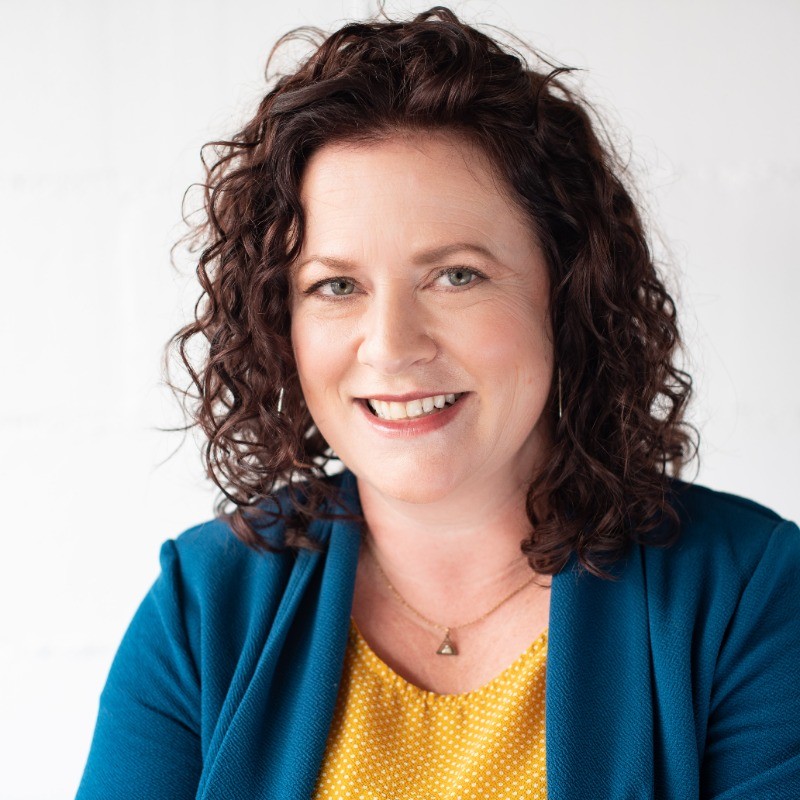
Dr. Nina Crowley is a Registered Dietitian and a PhD in Health Psychology with over 20 years of experience in clinical counseling and community nutrition. She currently leads clinical thought leadership at Seca and hosts the podcast In the Know with Nina, focusing on cardiometabolic health and behavioral science.